

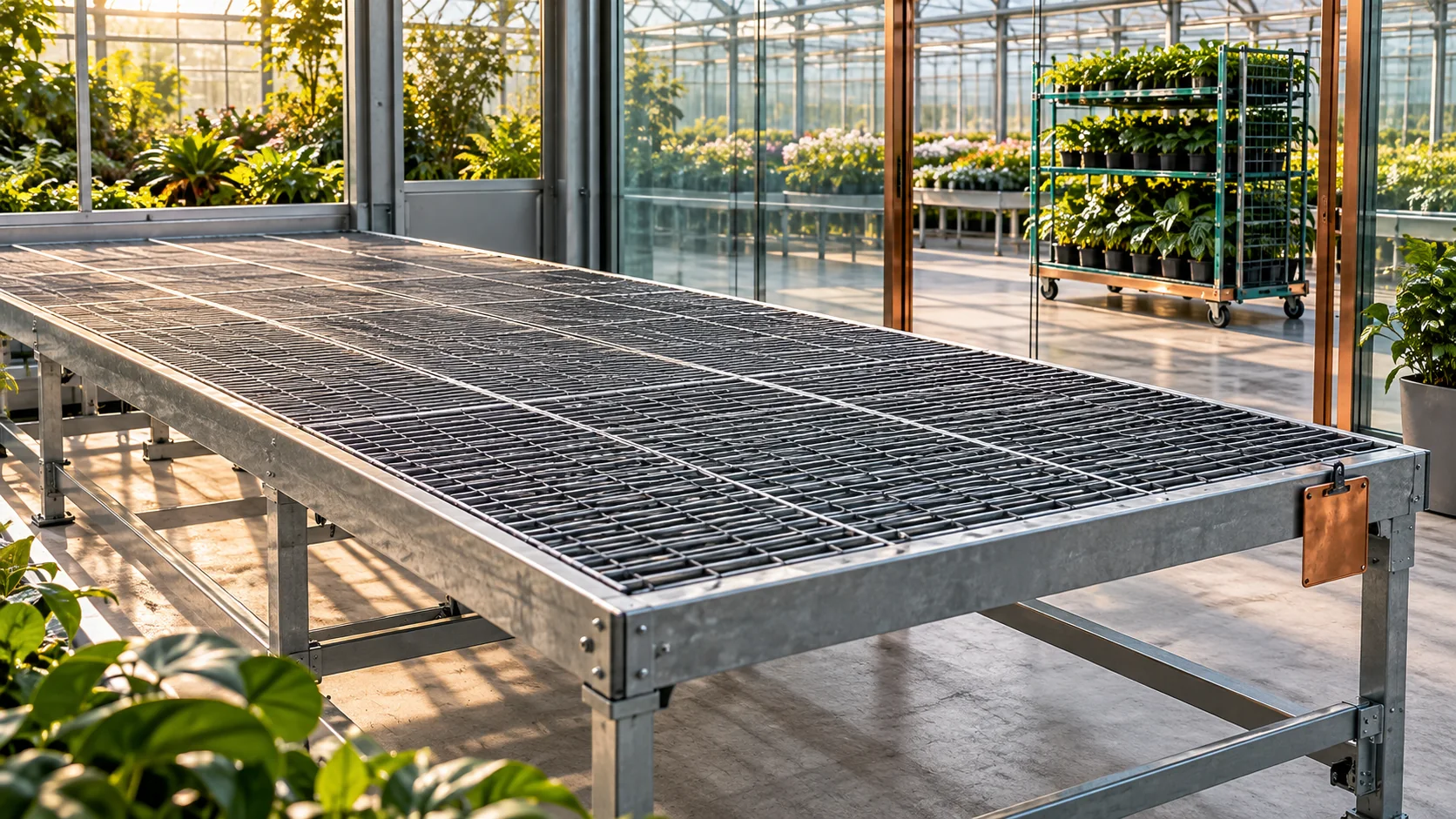
The next crop is ready to move, but the growing area still contains a maintenance issue and an unfinished inspection. The schedule says turnover complete because the previous plants were removed. The people receiving the new crop are about to discover that crop removal and area readiness are not the same thing.
Use a crop-turnover readiness board that separates physical tasks, verification, equipment concerns, and the authority to release the area. The board should answer what still blocks entry and who can clear it. It supports the site's approved procedures; checked boxes do not certify pathogen elimination, food safety, or suitability for every next crop.
Define the area being released
Give the growing area a stable identity and state the next intended use. An entire house, one bench, and a separate irrigation zone can have different readiness boundaries. A completed task in one area should not automatically release an adjoining area that shares an unresolved system.
List dependencies that matter to the next crop: previous-crop clearance, approved cleaning work, relevant verification, equipment condition, irrigation or utility readiness, and the receiving arrangement. Use the site's actual procedures and qualified review rather than inventing a universal sanitation sequence.
UMass Extension distinguishes cleaning and disinfecting in greenhouse operations. The operational lesson is that removing the old crop is not the whole transition. Product selection, chemical handling, application details, and crop-specific requirements belong to the site's qualified procedures, not an AI-generated task list.
Keep done separate from verified and released
The employee performing a task can record its completion and evidence. The person assigned to verify it records the inspection outcome. The release owner considers those outcomes and the remaining dependencies. These may be different people, and the software should not quietly collapse their roles.
An exception can be resolved, accepted under a specifically authorized limitation, or left blocking. Record which occurred and why. A note such as maintenance aware is not evidence that the equipment is ready or that someone with authority accepted the condition.
Where the business permits a partial-area release, define the physical and operational boundary. Shared water, airflow, access, or equipment may make a simple map boundary insufficient. The qualified team must determine whether a limited release is appropriate; the dashboard should reflect that decision rather than invent one.
- Define the areaIdentify the next use and shared dependencies.
- Complete the workLink clearance, approved procedures, and maintenance evidence.
- Verify the blockersReview inspections and unresolved equipment concerns.
- Release explicitlyCommunicate the authorized scope to the receiving team.
Follow a delayed bench release
In an illustrative nursery, bench area B-4 is scheduled for a new crop on Monday. The readiness register is the operational source of truth, linked to the previous-crop record, approved cleaning procedure, and maintenance system. The production schedule consumes the release status but cannot create approval itself.
Staff record crop clearance and the required cleaning work. The verifier finds an unresolved irrigation component issue. Maintenance records the inspection and proposed corrective work under the site's established safety process. The release remains blocked, even though most tasks are complete.
Suppose a hypothetical board has ten required checks and nine are complete. Ninety percent completion does not mean the area is ninety percent suitable for planting. One unresolved critical dependency can still prevent release. The production manager uses that fact to discuss approved holding or resequencing options with the grower rather than moving plants into an unaccepted area.
After maintenance completes the authorized work, the designated reviewer checks the required evidence and records the result. The release owner approves the area for the stated use, or retains a hold if another concern remains. The receiving team gets the actual decision and any approved limitations, not just an automated message announcing that all tasks were submitted.
Build a crop turnover readiness board
Use fields that expose the release question:
- Scope: area, prior crop, intended next crop or use, planned entry, and shared dependencies.
- Task evidence: procedure reference, responsible person, completion time, and supporting record.
- Verification: reviewer, inspection method, finding, and any rework required.
- Equipment issues: linked work order, authorized work, acceptance evidence, and remaining limits.
- Blocking concern: specific reason, owner, next action, and effect on the receiving plan.
- Release: named authority, decision time, approved scope, and communication to the people moving plants.
Preserve late discoveries. If a new issue appears after release, open a linked review rather than editing the original inspection to imply it anticipated the problem. Historical decisions should remain understandable from the evidence available at the time.
Use automation to coordinate the boundary
Rules can prevent task completion from being mislabeled as release, gather evidence, and show unresolved shared dependencies. AI can summarize the outstanding work and draft a handover note for review. It should not certify sanitation, waive an inspection, or change a release decision from incomplete records.
Begin with one turnover where schedule pressure regularly causes confusion. Ask the grower, maintenance lead, and receiving team whether the board makes the next action clear. Measure late blockers, entries awaiting evidence, and plant moves attempted before release. The useful outcome is an area that enters the next crop cycle through an explicit, understandable decision rather than through the momentum of the calendar.
Sources & further reading
Primary references checked October 19, 2026. Examples are illustrative, not reported client outcomes.
- UMass Extension distinguishes cleaning and disinfecting in greenhouse operationsPrimary background for the linked discussion. Use the actual application, current product documents, and qualified review for operating or acceptance decisions.